Do you know the Mazda Persona?
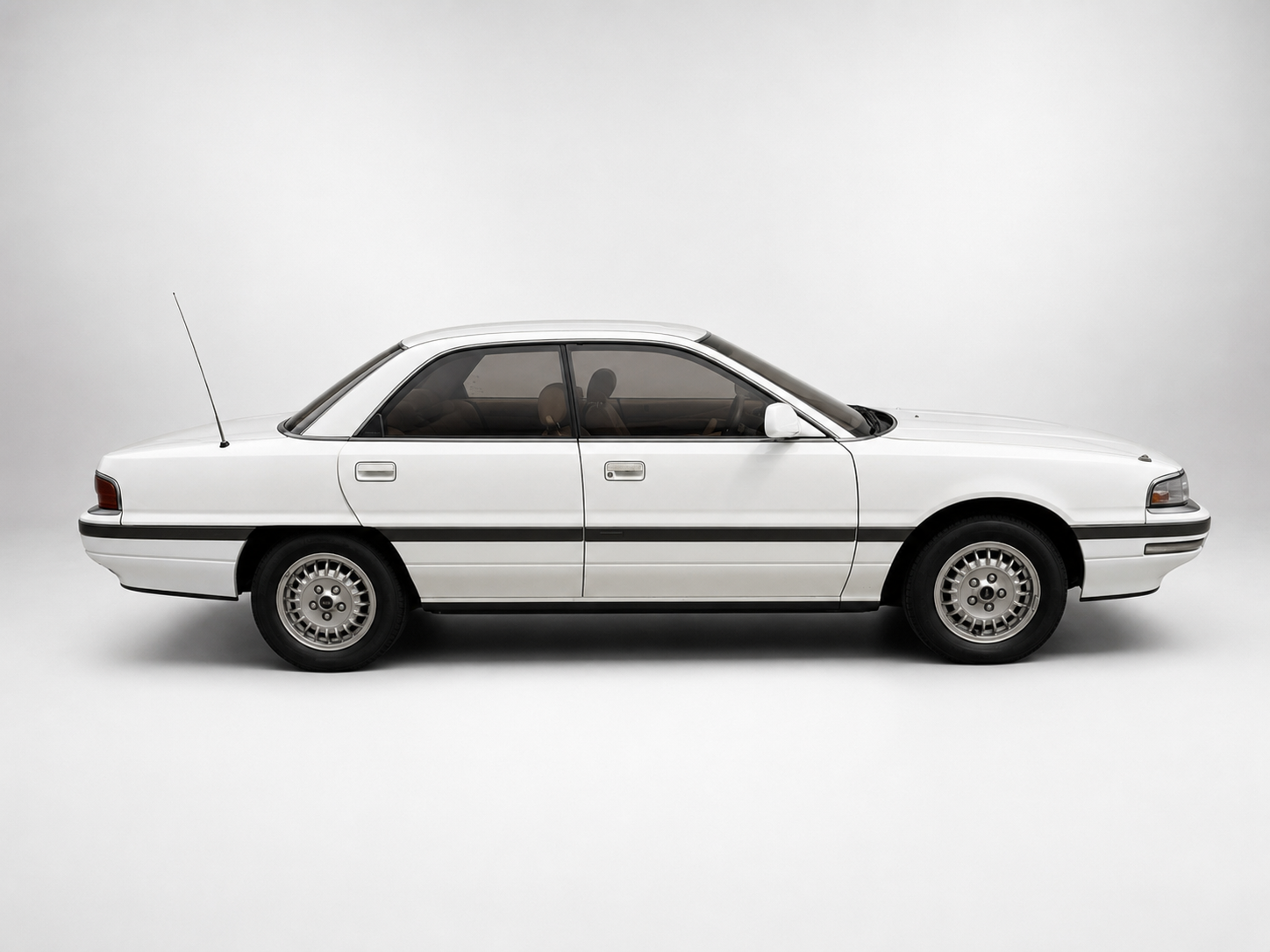
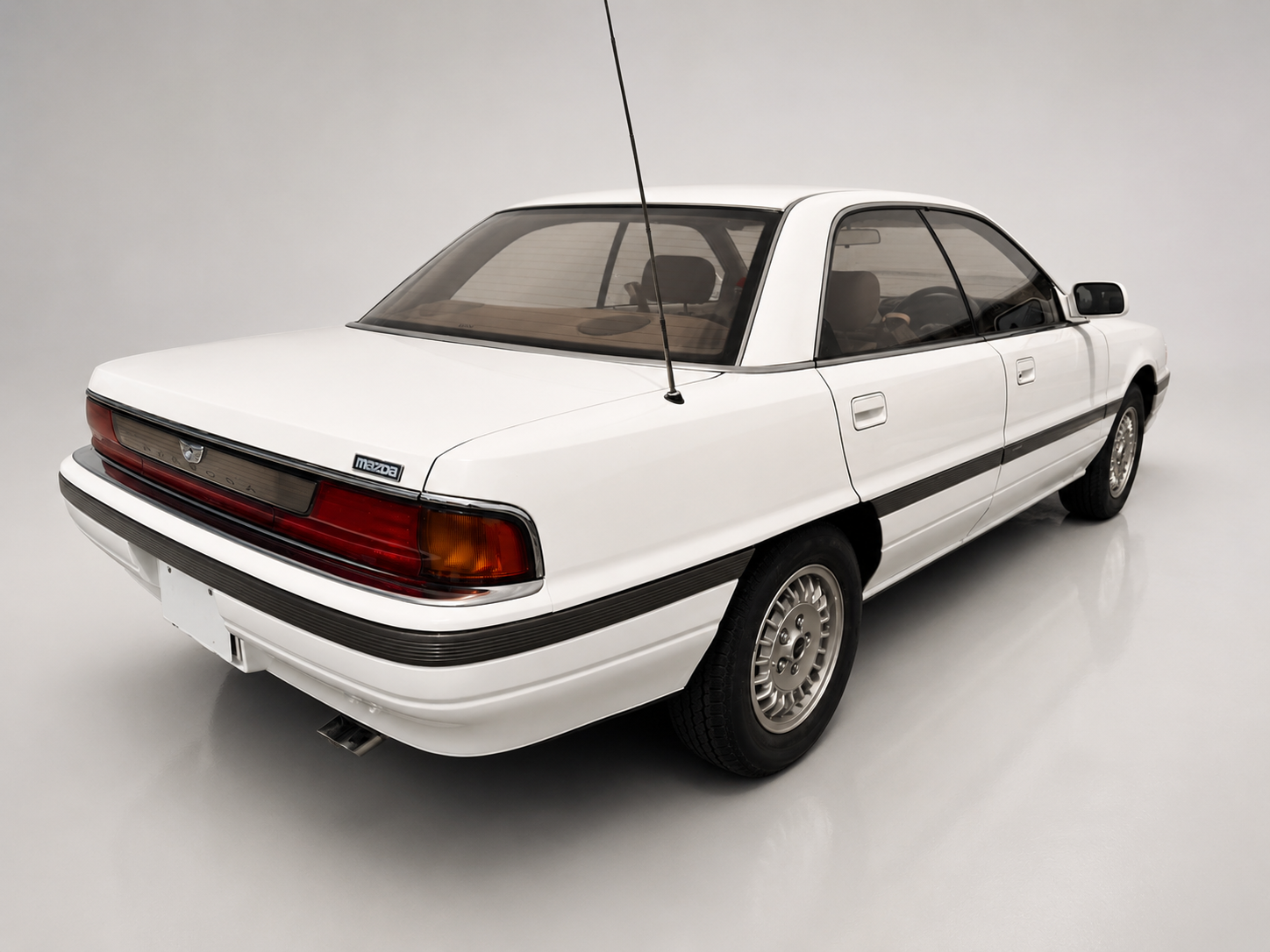
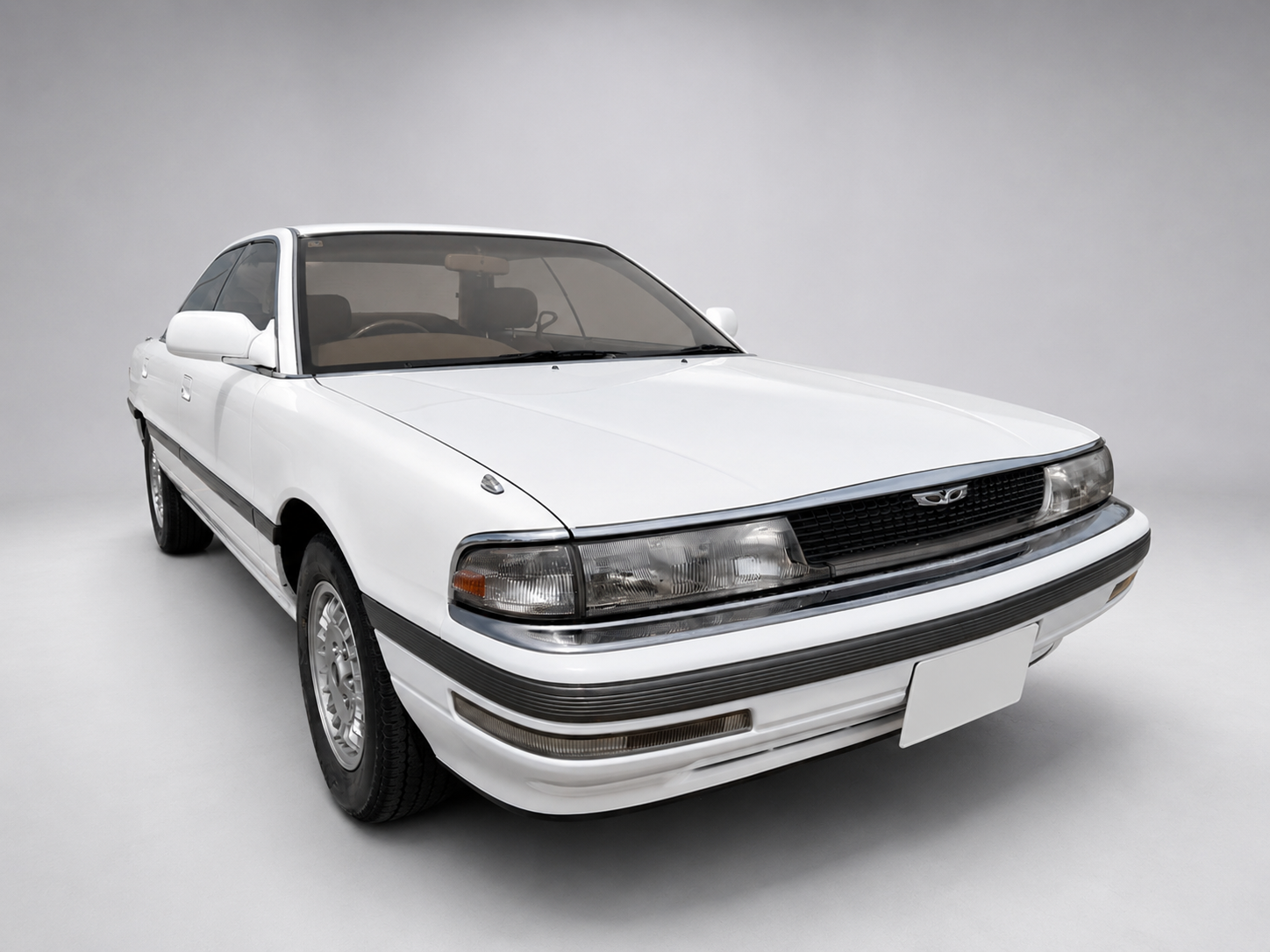
The car I found in the Japanese market is a 1989 Mazda Persona.
It has just 13,000 miles on the odometer, and it is a one-owner car. Considering how rare these cars have become, there is a good chance we may never see another example like this come to market in Japan again.
The Persona was introduced in 1988 as Mazda’s stylish four-door specialty car.
But the real appeal of this car is not necessarily its exterior.
It is the interior.
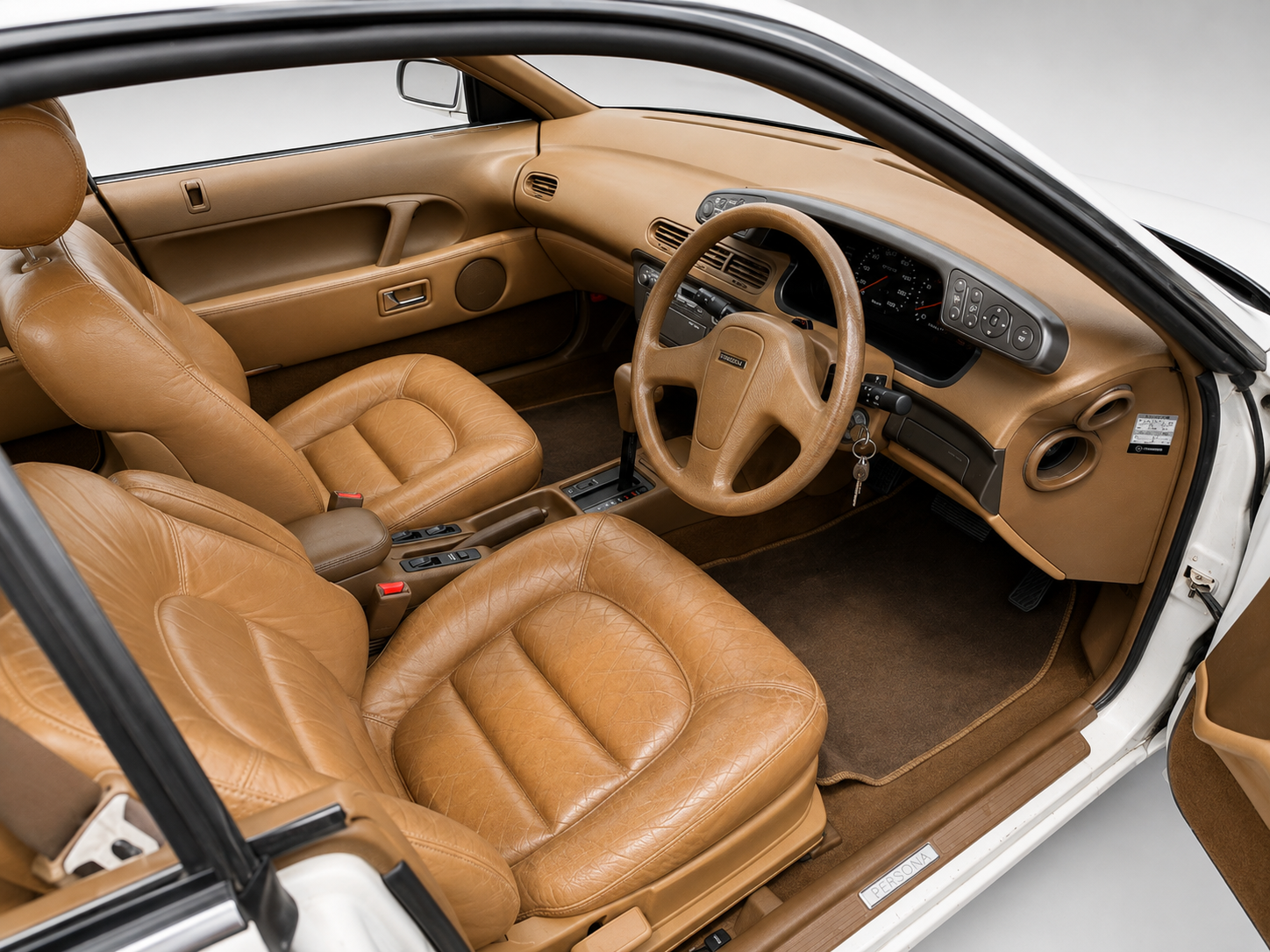
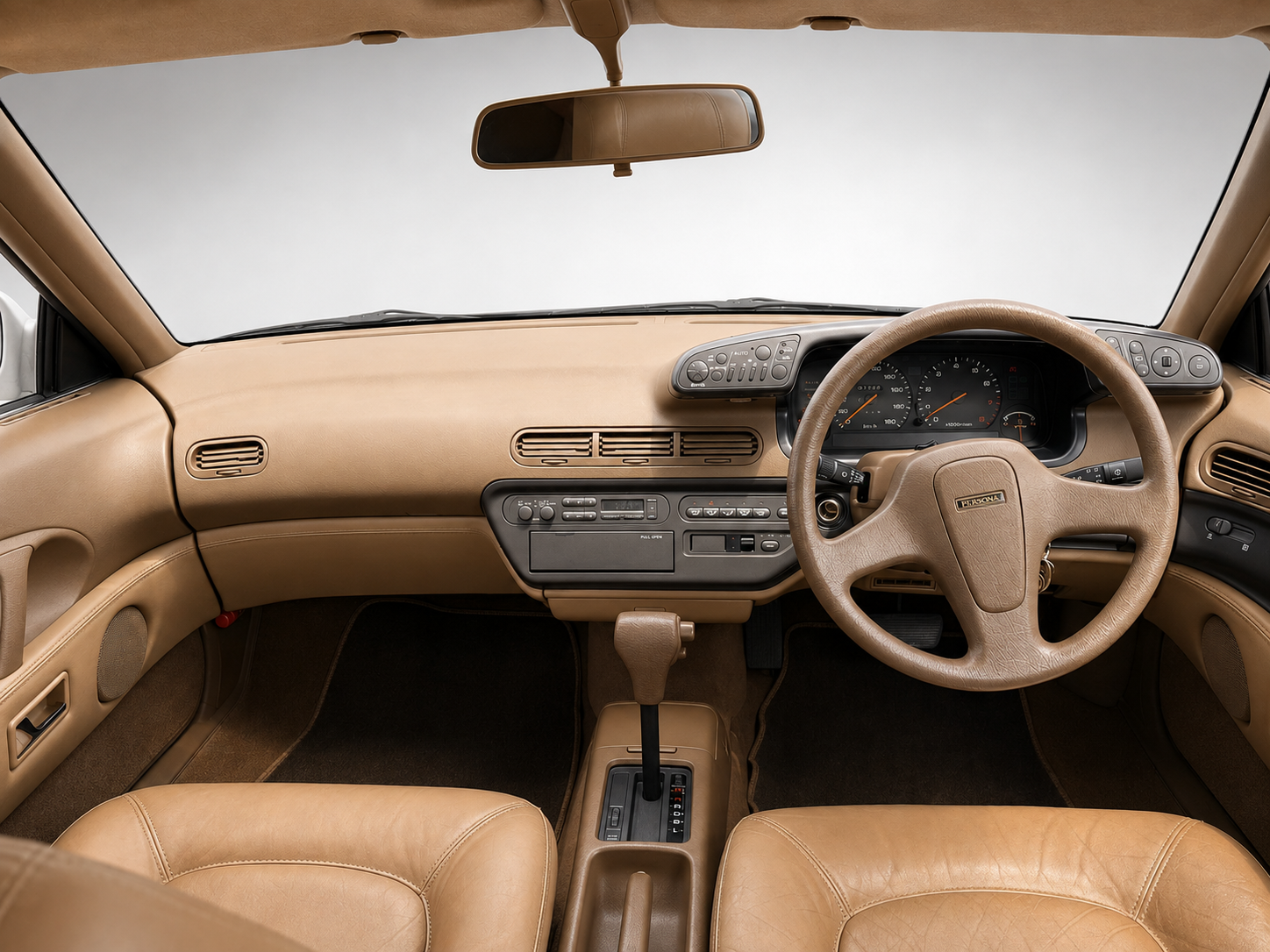
Mazda did not design the Persona as just another sedan. The entire car was created around the idea of making the cabin itself feel special.
The body is low and sleek, with a large glass area and an open, airy greenhouse. Even before you sit inside, it already feels very different from a typical Japanese car of the late 1980s.
And once you open the door, the difference becomes even more obvious.
The dashboard avoids the boxy, mechanical look common in cars of that era. Instead, it uses soft curves and smooth shapes to create a more relaxed atmosphere.
Even the passenger side was designed differently. Rather than prioritizing storage space, Mazda focused on comfort and openness, giving the front passenger more room to stretch out.
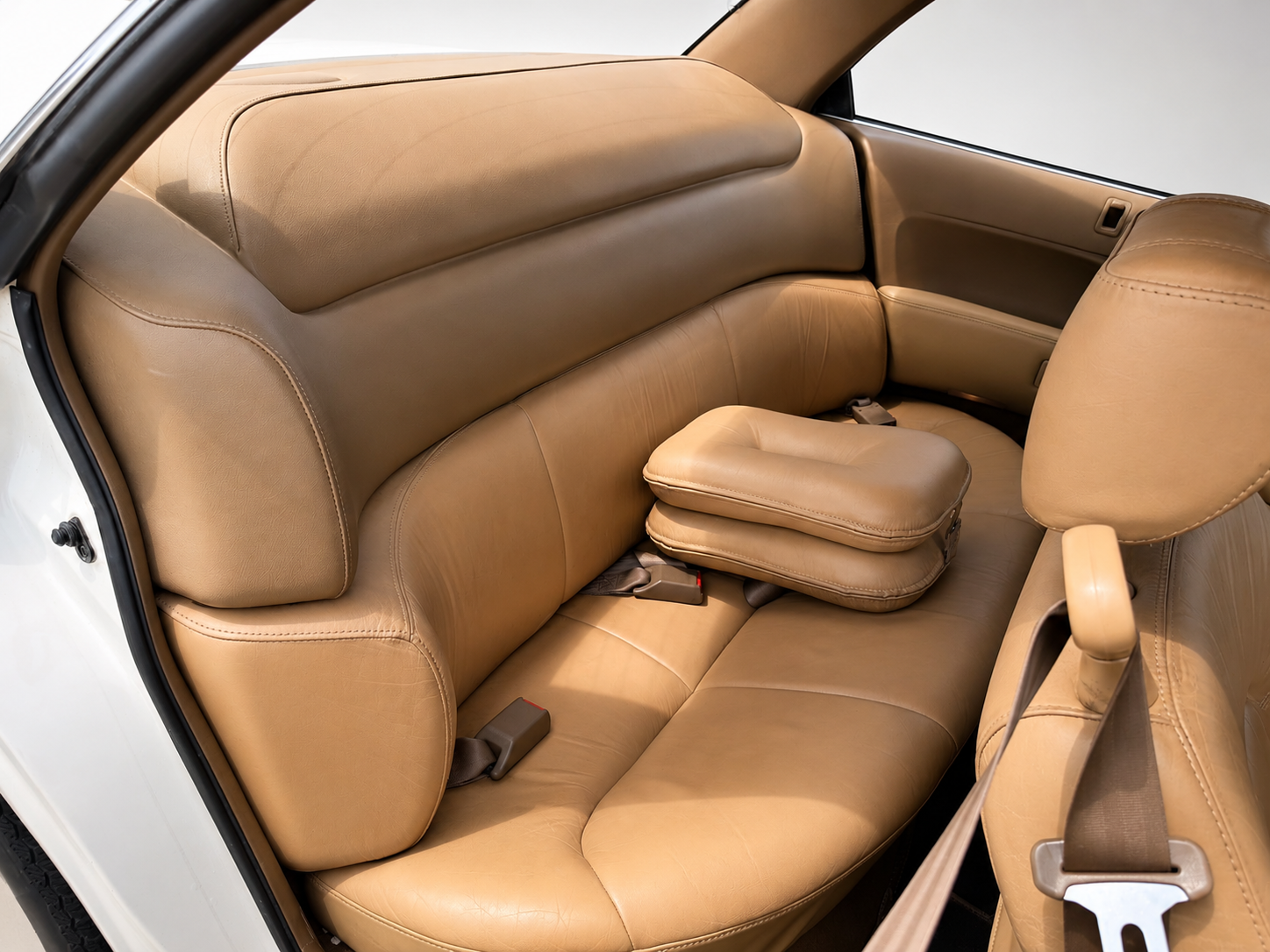
But perhaps the most interesting part of the Persona is the rear seat.
Instead of using a conventional flat bench seat, Mazda shaped the rear seating area almost like a small lounge. The seats wrap around the passengers, creating a much more intimate and unusual environment than you would expect from a four-door Japanese car of this era.
The entire cabin, from front to rear, feels like it was designed as one continuous living space.
This was never meant to be a high-performance car.
It was not about horsepower, lap times, or aggressive styling.
What makes the Persona special is something completely different.
It is essentially a four-door Japanese design experiment from the peak of Japan’s bubble-era automotive creativity.
It represents a time when Japanese automakers were willing to sacrifice some practicality simply to create something unique.
That kind of design freedom is much harder to find in modern cars.
And this particular Persona is even more special.
It has just 13,000 miles.
One owner.
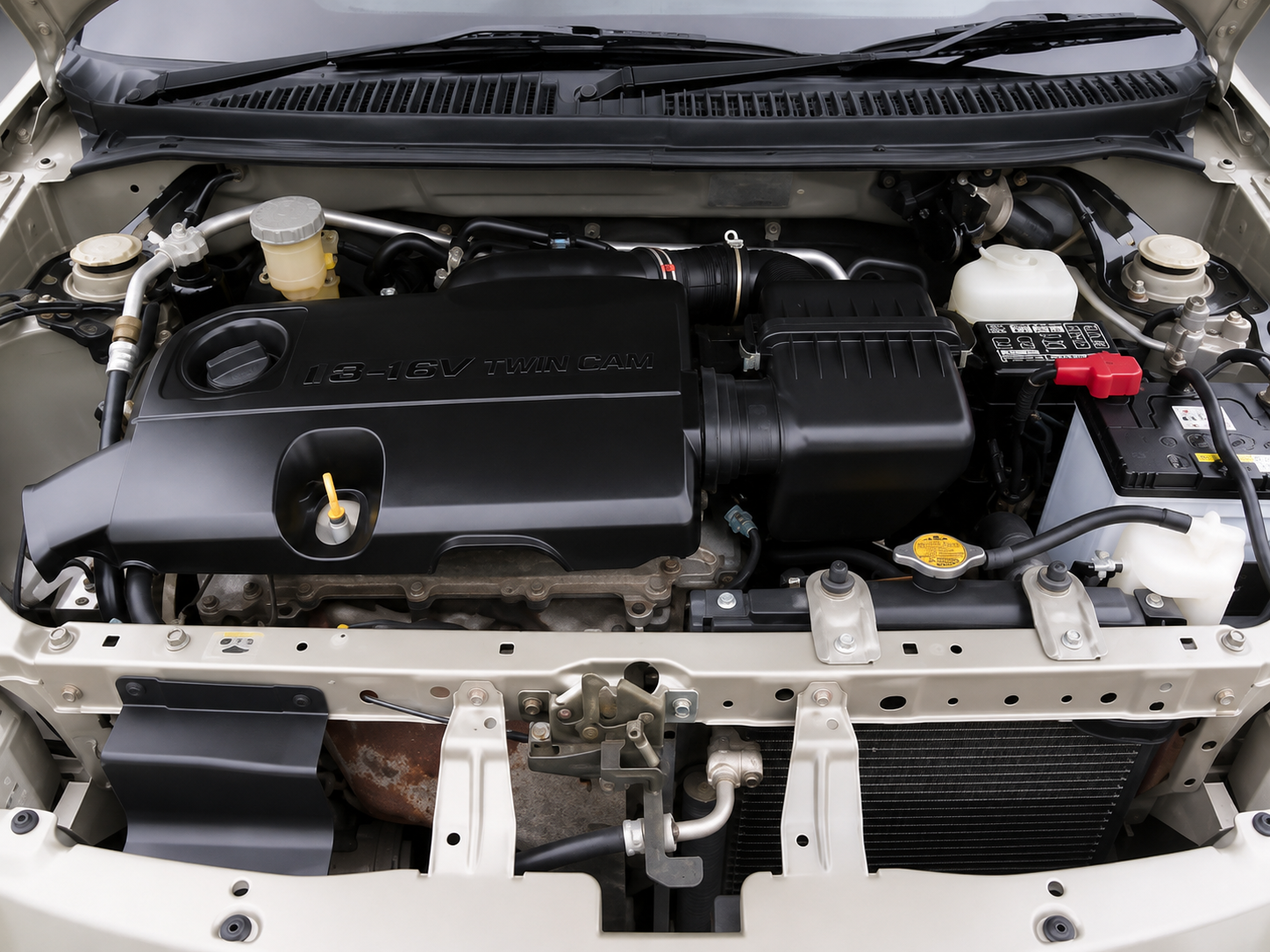
And it remains remarkably original.
More than 35 years after it was built, finding a car like this in Japan is becoming increasingly difficult.
The Mazda Persona was also never officially sold in the United States.
That means most American enthusiasts have probably never seen one in person.
Show up at a Cars & Coffee in this car, and one of the first questions you are likely to hear is:
“What is that?”
And once people learn that it is a 1989 Mazda Persona, they will probably want to look inside.
It may not be fast.
It may not be famous.
But that is exactly what makes it interesting.
A rare Mazda from a time when Japanese automakers were willing to experiment with ideas that would probably never make it past a modern product-planning meeting.
So why not bring something this unusual to America and experience a forgotten piece of Japan’s bubble-era automotive creativity?