Most people misunderstand the 1991 Honda Beat.
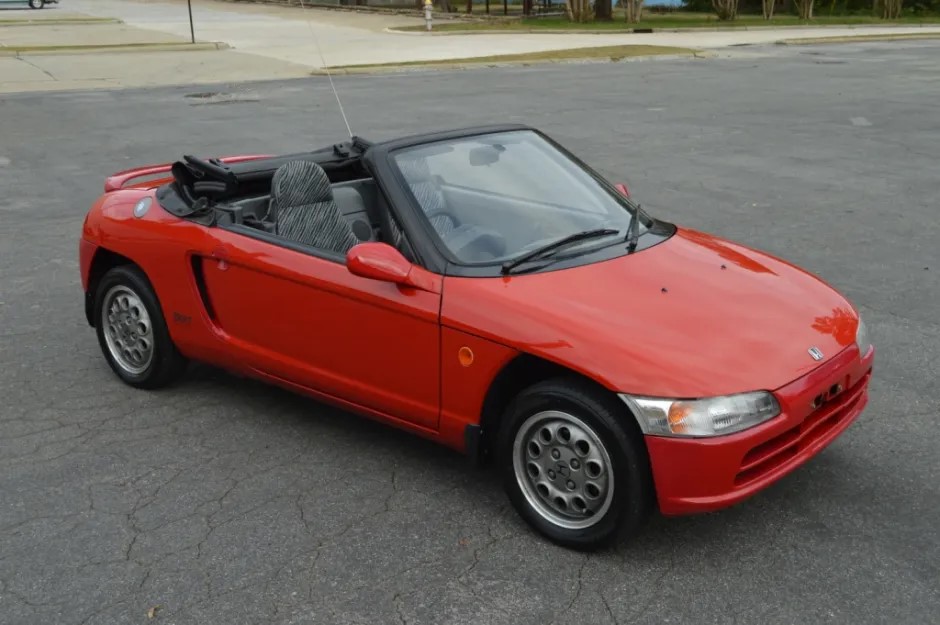
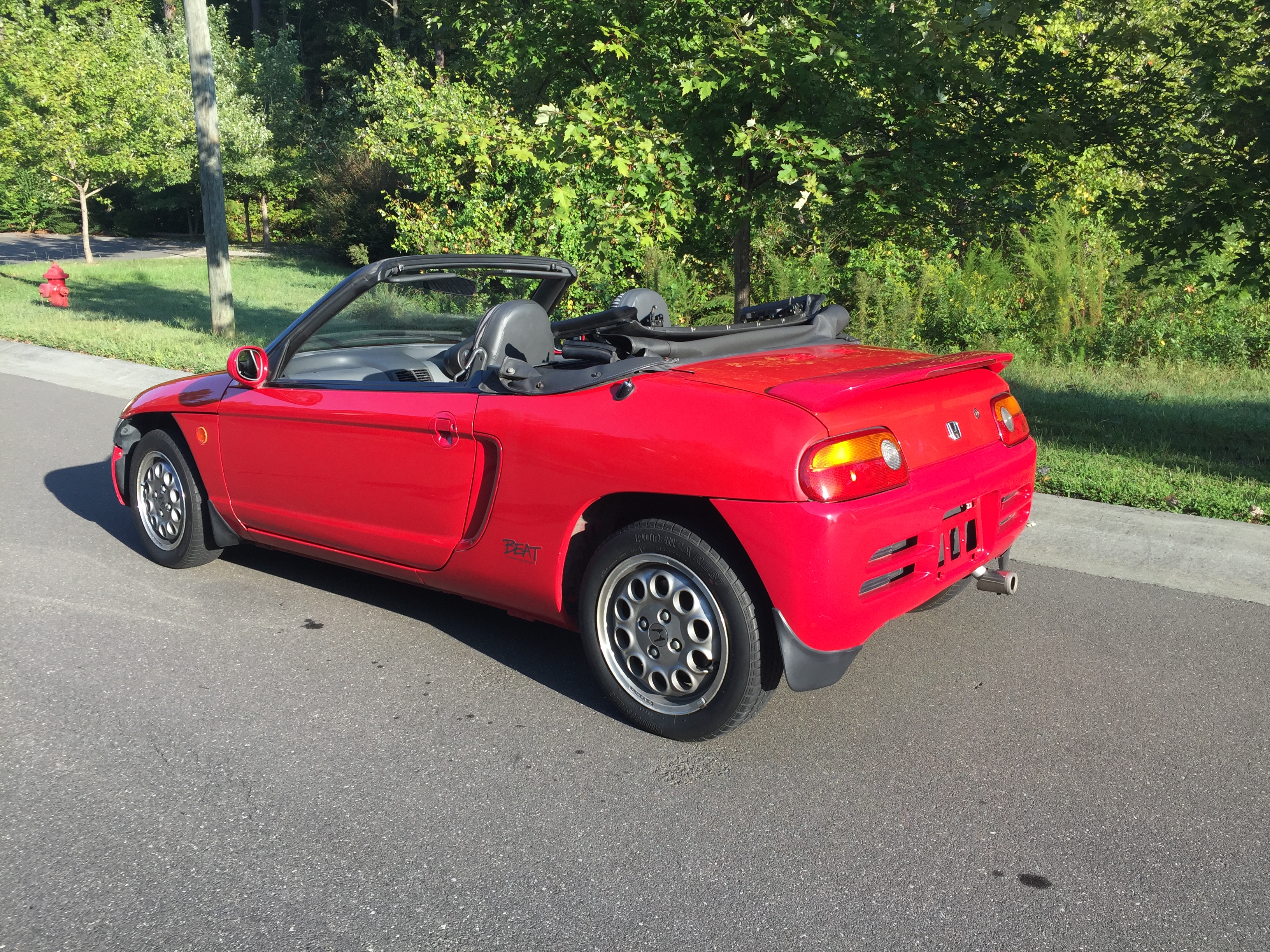
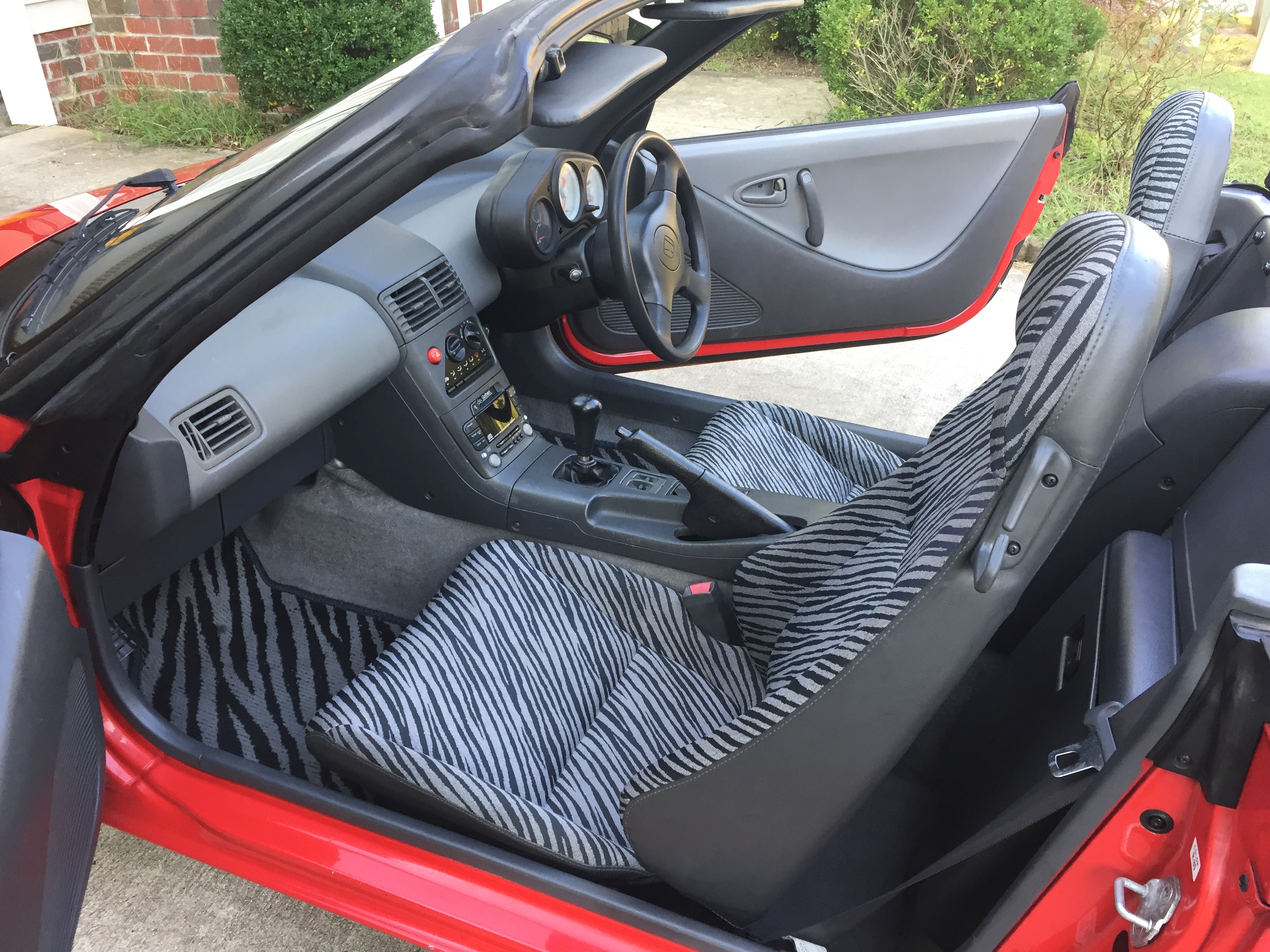
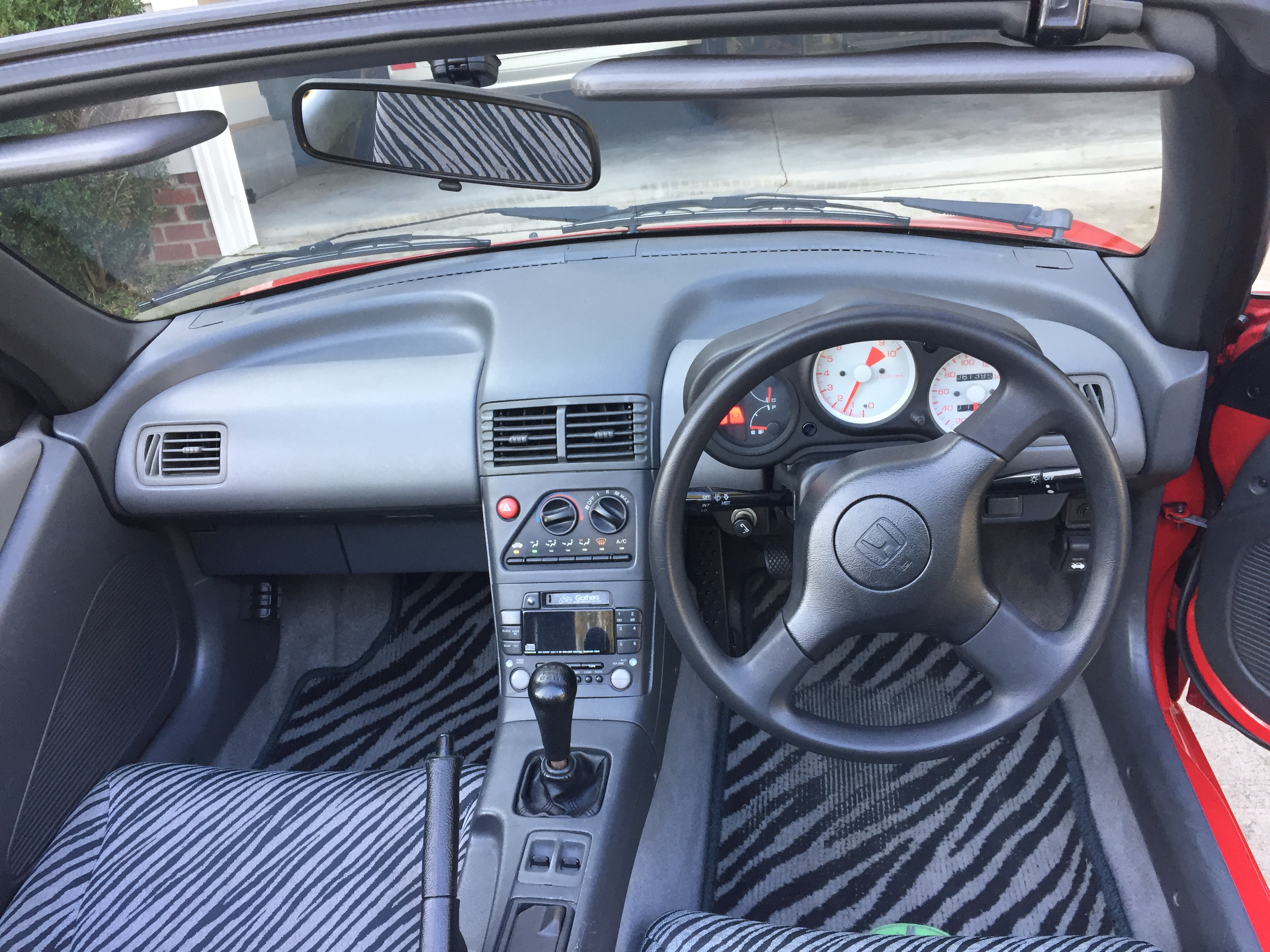
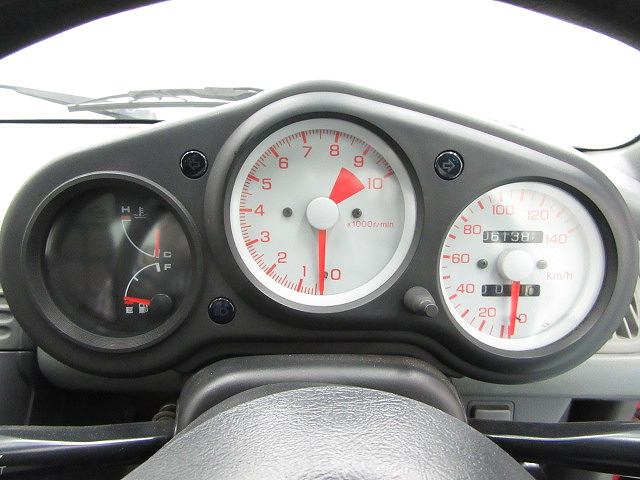
This is a car I personally imported from Japan to the United States. At the time, it had 38,000 miles and no major issues except a stuck fuel gauge. On the surface, it seemed like a simple and fun kei sports car.
And in many ways, it is.
The Honda Beat revs high. It sounds fast. It feels energetic. But it is not actually fast, and that difference is important to understand before buying one.
There is a reason for it.
The Beat is based on the Honda Acty truck. It shares the same basic mid-engine layout and foundation, but with a tuned engine and a very different body. In other words, it is closer to a sports version of a small truck than a true performance car in the conventional sense.
That does not make it less interesting.
It simply means the Honda Beat should be understood for what it is. This car is not about speed, power, or straight-line performance. It is about sensation, sound, size, balance, and the experience of driving something light and mechanical.
That is where the Beat becomes special.
But this car also taught me something more important.
Importing a car from Japan is not just buying it and arranging shipping. Before purchase, the car has to be evaluated properly. Local logistics must be handled. Export procedures, ocean shipping, customs clearance, and U.S. registration all need to be managed correctly.
If one step is missed, the process can quickly turn into unexpected costs and delays.
That is the part most people underestimate.
A car may look affordable or simple at the beginning, but the real outcome depends on the quality of the vehicle, the accuracy of the inspection, the reliability of the exporter, and whether every part of the import process is handled correctly.
For collectors and enthusiasts, the 1991 Honda Beat is a charming and unusual car. It offers a driving experience that modern cars rarely provide: compact, high-revving, open-top, and full of personality.
But owning one successfully requires understanding both the car and the process behind bringing it into the United States.
Understand before you decide.
Related Insights